


Kai O.
08:01 07 Oct 25
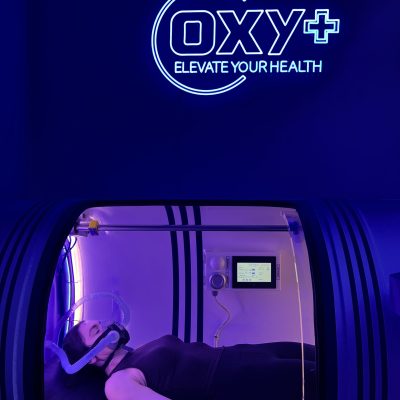
Beth was amzing, very informative on the process and supporting sciencing, while fiendly and polite. The chamber was very comfortable and really helped my recovery post ultra marathon. I was also provided with a bottle of water, blanket and pillows whilst in the chamber, and was able to watch netflix which really added to the comfort of the experience. I will definitley be returning and cant reccomend enough.

Mark D.
13:19 02 Oct 25
We’re so fortunate to have this facility in Newcastle, personally I’ve benefited greatly from using the chamber for post surgery rehab and I now use it for regular maintenance. Beth is super knowledgeable and friendly, can’t recommend highly enough.

Melanie W.
12:34 02 Oct 25
Great experience , Beth made me feel at ease and very comfortable whilst in the chamber , looking forward to my next visit .

Rachael O.
17:16 12 Sep 25
Great service. Very knowledgeable staff! Would 100% recommend!

Shaj H.
20:53 16 Jun 25
As a professional MMA fighter I have used the oxygen chamber to recover from hard training, heal faster from injuries, and is also beneficial for head trauma and concussion which is huge for combat sports.
Oxyplus provide incredible service.
Highly recommend for athletes especially for contact sports.
Oxyplus provide incredible service.
Highly recommend for athletes especially for contact sports.

Ruth T.
17:02 05 Feb 25
I had no idea what to expect when I attended my first appointment for oxygen therapy. Beth, however, soon put me at ease and explained how it worked and the benefits that could be expected. I have to say that I was not disappointed!! I felt invigorated after the 30 minute session and I now book regular appointments. Friends have also commented on how fresh I look lately and I definitely have a spring in my step! I would absolutely recommend that you try this.

Heather S.
11:02 25 Jan 25
Absolutely brilliant service. Having never used a hyperbaric oxygen chamber before, Elizabeth provided in-depth knowledge as to how the treatment works and its multiple health benefits. After several sessions, I can confidently say that I have felt the wellness benefits. It has also helped speed up my son's recovery from knee surgery and reduced his pain.

Erin R.
20:00 04 Oct 24
First of all, miss Beth Minion is (of the) reason(s) I’m going back! Her knowledge on the matter and kind willingness to repeat information that it might have been forgotten is highly appreciated! She’s a lovely lady with a luminous energy aura!
I’ve read about the procedure and because the location is close to my place, I gave it a try. I have to admit I’m hooked and I’m sure the oxygen therapy helps with my problems.
Highly recommend!
I’ve read about the procedure and because the location is close to my place, I gave it a try. I have to admit I’m hooked and I’m sure the oxygen therapy helps with my problems.
Highly recommend!

Ed I.
07:36 22 May 24
Great Experience! Brian and Katie both awesome and very helpful. Process smooth and explained. Felt great after - amazing clarity all day for work. Would highly recommend.

Gilly S.
12:57 21 May 24
I recently had the privilege of undergoing HBOT treatment at Oxyplus and I could not be more impressed with the entire experience.
I sustained a serious calf injury whilst skiing and was looking for ways to improve and speed up my recovery in addition to physiotherapy.
I had a few sessions and really started to feel the benefit almost immediately.
Katie was great, she’s very professional and knowledgeable.
I would not hesitate to recommend Oxyplus and will definitely use again!
I sustained a serious calf injury whilst skiing and was looking for ways to improve and speed up my recovery in addition to physiotherapy.
I had a few sessions and really started to feel the benefit almost immediately.
Katie was great, she’s very professional and knowledgeable.
I would not hesitate to recommend Oxyplus and will definitely use again!